Pay the high income child benefit charge via PAYE

Written by AJN Accountants
15 January 2026

Taxpayers can use HMRC’s new online service to register for the high income child benefit charge to be collected automatically from their payslip.

Since the high income child benefit charge (HICBC) was introduced, taxpayers have had to choose between opting out of child benefit payments or registering for self assessment to pay the charge. In some cases, where the total amount due was less than £2,000 HMRC could collect the HICBC through a later PAYE tax code, but there was no way to pay the charge in real time.

A new service launched in September allows employees to pay the HICBC directly through their PAYE tax code without completing a self assessment tax return, provided they have no other reason to file one. Taxpayers with income from other sources such as property or self-employment income will still be required to file a self assessment tax return and will not be able to use the new HICBC service.

Individuals have until 31 January after the end of the tax year to notify HMRC via the new online service that they wish to settle the HICBC through PAYE. If you previously filed self assessment returns you must deregister before joining the new service. If you have not yet filed your 2024-25 tax return, you can use the new service to settle both your 2024-25 and 2025-26 HICBC through your PAYE code in 2025-26. From 2026-27 onwards the HICBC will revert to being collected in the tax year to which it relates.

When you register, HMRC will check that you have deregistered from self assessment and ask questions to confirm whether you or your partner has the higher adjusted net income. Where your partner receives child benefit, HMRC will use their national insurance number to verify the exact amount of child benefit payments made to them.

After confirming the details, your PAYE code should be updated within 48 hours. Future changes to your child benefit entitlement, such as a new child or a child turning 16, will normally update automatically. However any change of circumstances such as a new partner must still be reported to HMRC.

If you have income above £60,000 and you or your partner receive child benefit payments, we can help you determine whether you need to pay the HICBC and how best to settle your liability.
Loans to directors: tax rate increased

An outstanding loan to a director or shareholder from a close company can trigger a tax charge under Section 455 of the Corporation Tax Act 2010. The director's loan account is generally used to account for temporary withdrawals from the business for the director's...

Self assessment payments via PAYE

From April 2029, income tax self assessment taxpayers who also have PAYE income will pay some of their self assessment liability via PAYE. Currently, if you owe additional tax due to a previous underpayment HMRC can collect that amount gradually by adjusting your tax...

New penalties regime for all income taxpayers

The new points-based penalties system will apply to all self assessment taxpayers from April 2027, not just those within Making Tax Digital for income tax (MTD IT). The new rules will apply first to taxpayers mandated to join MTD IT from April 2026 (those with...

Related Posts

Public EV charging standard-rated 

Public EV charging standard-rated 

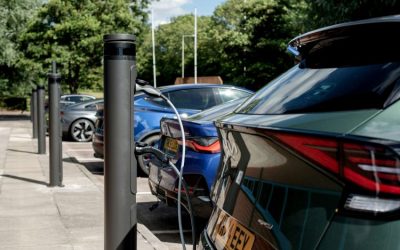
HMRC has reconfirmed that supplies of electricity for charging electric vehicles (EVs) at public EV charging points is standard-rated for VAT purposes. Electricity supplied at public EV charging points is subject to VAT at the standard rate of 20%, rather than the...

Are you missing out on a PAYE refund?

Are you missing out on a PAYE refund?

Employees and pensioners are being encouraged to check whether they are due a PAYE tax refund. HMRC figures suggest that more than 730,000 PAYE refunds went unclaimed last year, with the average repayment worth approximately £855.  PAYE overpayments can arise for...

Loans to directors: tax rate increased

Loans to directors: tax rate increased

An outstanding loan to a director or shareholder from a close company can trigger a tax charge under Section 455 of the Corporation Tax Act 2010. The director's loan account is generally used to account for temporary withdrawals from the business for the director's...

We use contact information you provide to us to contact you about our relevant content, products, and services. You may unsubscribe from these communications at any time. For information, check out our Privacy Policy.