Childcare costs – don’t miss out!

Written by AJN Accountants
14 July 2025

Many working families will now be arranging childcare for the school summer holidays and the start and end of the school day from September.

The Government’s tax-free childcare scheme could provide up to £2,000 a year per child, or £4,000 if the child is disabled, towards the cost of wraparound childcare and holiday clubs. 

For every £8 deposited in a tax-free childcare account the Government will top it up by £2 up to a maximum of £500 (or £1,000 if the child is disabled) every three months. 

To qualify for the scheme the parent and their partner (if they have one) must earn, or expect to earn, at least the national minimum wage or living wage for 16 hours a week on average; each earn no more than £100,000 per annum; and must not receive universal credit or childcare vouchers. 

Parents can use the scheme to pay for childcare for children aged 11 or under, or up to 16 if the child has a disability. 

Extend child benefit

HMRC has reminded parents of the deadline to extend child benefit for 16 to 19-year-olds who are continuing in full time education from September. For 2025-26 child benefit is worth up to £1,355 a year for the first or only child, and up to £897 a year for each additional child. 

Payments will automatically stop on 31 August on or after the child has turned 16 unless parents renew their claim by that date. The claim can be extended using the HMRC app or on GOV.UK. 

If you or your partner earn £60,000 or more, the higher earner will be liable to repay some or all of the child benefit via the high-income child benefit charge (HICBC). Where the child is under the age of 16 and one of the parents is not working it is often worth claiming child benefit and either paying the HICBC or opting not to receive the child benefit payment to protect the non-working parent’s entitlement to contributory benefits. However, once the child turns 16 they will be registered for national insurance so the qualifying contributory years are no longer available to the parent. 

We can help you ensure you are claiming all of the child related support you are entitled to. 

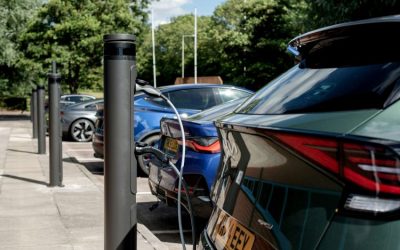
Public EV charging standard-rated 

HMRC has reconfirmed that supplies of electricity for charging electric vehicles (EVs) at public EV charging points is standard-rated for VAT purposes. Electricity supplied at public EV charging points is subject to VAT at the standard rate of 20%, rather than the...

Are you missing out on a PAYE refund?

Employees and pensioners are being encouraged to check whether they are due a PAYE tax refund. HMRC figures suggest that more than 730,000 PAYE refunds went unclaimed last year, with the average repayment worth approximately £855.  PAYE overpayments can arise for...

Loans to directors: tax rate increased

An outstanding loan to a director or shareholder from a close company can trigger a tax charge under Section 455 of the Corporation Tax Act 2010. The director's loan account is generally used to account for temporary withdrawals from the business for the director's...

Related Posts

Automatic MTD registration

Automatic MTD registration

Taxpayers who were required to join Making Tax Digital for income tax (MTD) from April 2026 but have not done so will be signed up automatically. Starting from September 2026, HMRC will use information it holds to identify and register taxpayers it believes to be in...

Salary Sacrifice: How It Can Reduce Tax 

Salary Sacrifice: How It Can Reduce Tax 

Salary sacrifice can be one of the most tax-efficient ways to contribute to a pension, particularly for higher earners, employees receiving bonuses and those earning around or above £100,000. But the benefit isn't simply about putting more money into your pension....

Public EV charging standard-rated 

Public EV charging standard-rated 

HMRC has reconfirmed that supplies of electricity for charging electric vehicles (EVs) at public EV charging points is standard-rated for VAT purposes. Electricity supplied at public EV charging points is subject to VAT at the standard rate of 20%, rather than the...

We use contact information you provide to us to contact you about our relevant content, products, and services. You may unsubscribe from these communications at any time. For information, check out our Privacy Policy.